A rough shift can feel like a small annoyance. However, it can warn drivers about a bigger problem. The transmission repair choice they make now can protect the engine later. Smart drivers listen when a car shakes, slips, leaks, or smells hot. Same Day Auto Repair helps drivers catch these issues early, before one weak part strains the whole vehicle. A healthy transmission keeps power moving from the engine to the wheels. When that flow breaks down, the engine often works harder than it should. Over time, that stress can lead to expensive trouble. So, this blog explains how timely service protects the drivetrain, improves safety, and helps cars last longer. It also shows what signs matter most, when drivers should act, and how service can protect a daily ride.
How Transmission Repair Keeps Your Engine Working Together?
The engine creates power, yet the transmission controls how that power reaches the wheels. So, both systems must work together every time someone drives. When gears change at the right speed, the car feels smooth. Also, the engine stays in a safe power range. However, weak fluid, worn gears, or a failing torque converter can break that balance. Then, the engine may rev too high or pull too hard.
This is why transmission repair benefits matter for everyday drivers. A timely fix can reduce engine strain. It can also improve fuel use and road control. Drivers may see these systems as separate. Still, they act like partners under the hood. When one struggles, the other often pays the price. Therefore, early service protects more than one part. It protects the whole driving system.
Small Shifting Trouble Can Grow Fast
Many drivers ignore small gear changes at first. After all, the car may still move. Yet that delay can be costly. Gear shifting problems can force the engine to work outside its comfort zone. Then, heat and pressure climb.
At first, a driver may notice a delay after shifting into drive. Next, the car may jerk during normal traffic. Soon, the vehicle may struggle on hills. These changes are not random. They often point to worn parts, low fluid, or poor pressure.
Because the ECU relies on steady feedback, one fault can confuse the system. As a result, the engine may respond poorly. That can cause rough idle, weak pickup, or higher fuel burn. Therefore, early action matters. A quick inspection can find the real cause before the bill grows. Also, it gives drivers peace of mind before daily trips get risky.
Warning Signs Drivers Should Not Brush Off
Drivers do not need to be mechanics to spot trouble. The car often gives clear hints during starts, stops, turns, or highway driving. Bad transmission symptoms can feel different from one car to another. However, they usually have a pattern.
Watch for these warning signs:
The car hesitates before moving after a shift.
The engine revs, yet speed rises slowly.
The vehicle shakes during steady driving.
Fluid spots appear under the car.
A hot odor shows up after traffic.
The check engine light appears with shifting trouble.
These signs can point to car transmission problems that need quick care. They can also signal stress that may affect the engine next. A careful shop checks the source before parts fail further. Therefore, drivers get clear answers instead of guesswork. That matters because a small clue today may prevent a larger repair tomorrow.
Early Repairs Can Protect the Engine
A transmission problem may start with a slip, leak, or worn seal. However, it rarely stays small forever. When transmission repair happens early, the engine often avoids extra heat and strain. That matters because heat is one of the biggest enemies under the hood.
A slipping transmission can make the engine rev more than needed. Then, the coolant system and oil must work harder. Over time, that stress can damage gaskets, sensors, and mounts. It may also make old engine problems worse.
Engine damage prevention starts with steady power transfer. If the transmission holds gears well, the engine runs more calmly. Also, the driver feels better control in traffic. Early transmission diagnosis can reveal low fluid, worn bands, or sensor faults. Because of that, a shop can fix the right issue. Then, drivers can prevent costly engine repair before it starts.
What Common Symptoms May Mean
Some symptoms feel scary, but they still have clear causes. A burning smell from transmission parts can mean overheated fluid. Also, it may point to friction inside the system. When fluid breaks down, it cannot cool or protect parts well.
A car jerking when shifting gears can suggest pressure problems. It may also mean worn mounts or control issues. Meanwhile, slipping can show up when the engine gets loud, but the car barely speeds up. A transmission slipping fix can stop that power loss before it grows.
Here is a simple guide:
| Driver Notice | Possible Cause | Why It Matters |
| Delayed movement | Low fluid pressure | Extra engine strain |
| Hot smell | Burned fluid | More heat risk |
| Hard shifts | Worn internal parts | Rough power transfer |
| Fluid puddle | Seal or gasket leak | Poor cooling |
| High revs | Slipping gears | Wasted engine effort |
Because symptoms overlap, a shop test matters. It helps drivers avoid wrong fixes and wasted money.
Automatic and Manual Cars Need Different Care
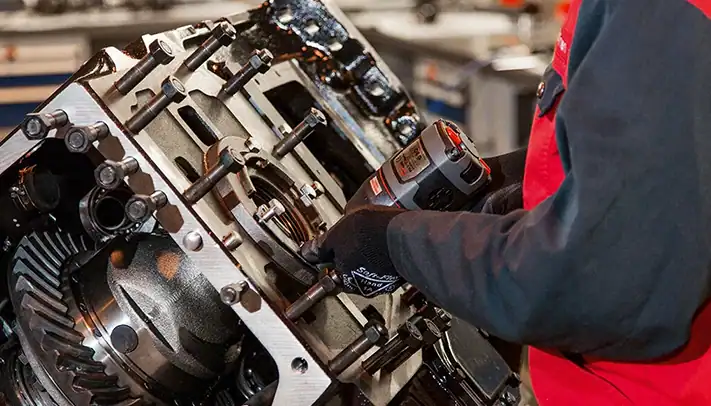
Not every transmission works the same way. Automatic transmission repair often focuses on fluid pressure, sensors, solenoids, and the torque converter. Also, the shop may check electronic controls. These parts help the car choose gears without driver input.
Manual transmission repair can involve the clutch, gear sets, linkage, and flywheel. The driver controls gear changes, yet wear still happens. Poor clutch habits can create heat. Also, grinding gears can damage parts over time.
Because both systems connect to the engine, both deserve careful service. A weak automatic may slip during traffic. A worn manual may grind or pop out of gear. Either issue can raise stress across the drivetrain. Therefore, drivers should not wait for total failure. Same Day Auto Repair can inspect both systems and explain the best next step. That makes the choice easier and safer for busy drivers.
Fluid Leaks Deserve Fast Attention
Transmission fluid does more than lubricate parts. It also cools, cleans, and helps control pressure. So, a leak can become serious fast. Transmission fluid leak repair helps protect seals, gears, bearings, and the engine connection.
Fresh fluid supports fluid pressure. It also reduces friction while parts move. However, low fluid can cause slipping and heat. Then, the engine may overwork to keep the car moving. That wasted effort can wear parts sooner.
Drivers may spot red or brown fluid below the vehicle. They may also notice a sweet or hot smell. In some cases, shifts feel slow or harsh. Because leaks can hide behind covers, a lift inspection helps. The repair team can check pans, cooler lines, seals, and gaskets. Then, they can stop the leak before the system runs dry. Quick action also protects the driver from sudden roadside stress.
Service Costs Less Than Major Damage
Many drivers delay repairs because they worry about cost. However, waiting can cost far more. A smart transmission repair plan can protect the engine, the drive shaft, and other connected parts. It can also keep the car useful during busy weeks.
Vehicle transmission issues may begin with one weak seal or dirty fluid. Yet they can grow into damaged gears, failed mounts, or overheating. Then, the engine may face an extra load during every drive. That is why early service often saves money. Same Day Auto Repair focuses on finding the problem before it spreads. Also, the team helps drivers understand what is urgent and what can wait. This honest approach helps people plan better. It also reduces the chance of surprise breakdowns. When a car feels off, a short visit can stop a long repair story. That is a win for any driver.
Better Habits Keep Trouble Away
Good habits can make a big difference. A transmission maintenance service helps the vehicle shift better and last longer. It also supports vehicle performance issues fix goals, since shifting problems can hurt speed, comfort, and fuel use.
Drivers can lower risk with these habits:
Check fluid level when the owner’s manual suggests it.
Fix leaks before fluid drops too low.
Avoid hard launches at stoplights.
Let the vehicle warm up in cold weather.
Do not tow beyond the rated limit.
Schedule service when shifts feel different.
Also, drivers should describe symptoms clearly during a visit. That helps auto repair transmission experts test the right areas. For example, a noise during turns may mean something different than a delay in reverse. Clear details save time. As a result, the shop can find the cause sooner. Better habits also reduce the chance of sudden emergency transmission repair.
Keep the Car Strong Before Damage Spreads
A vehicle is easier to protect than to rebuild. Therefore, drivers should treat strange shifting as an early warning. The transmission and engine share every mile. So, one weak system can quickly stress the other.
Timely service can reduce heat, stop leaks, and restore smooth power flow. It can also help drivers avoid surprise costs. Most importantly, it can protect the vehicle they rely on daily. Small symptoms deserve attention, because they often tell a bigger story. Same Day Auto Repair gives drivers clear service, honest guidance, and fast help when shifting trouble appears. So, anyone dealing with rough shifts, slipping, leaks, or hot smells should schedule an inspection today. A quick call can protect the car, lower repair risks, and keep daily travel moving with confidence.
FAQs
How does transmission repair prevent engine damage?
It keeps power moving smoothly, so the engine avoids extra heat, high revs, and strain during daily driving.
What are the signs that transmission issues are affecting the engine?
Watch for high revs, weak pickup, shaking, hot smells, and warning lights during or after gear changes.
Is transmission repair cheaper than engine repair?
Usually, yes. Fixing transmission trouble early often costs less than repairing heat damage inside an engine.
Can regular maintenance prevent transmission and engine damage?
Yes. Fluid checks, leak repairs, and routine inspections reduce wear and help both systems work better.
How fast should I act when transmission problems start?
Drivers should book transmission repair right away, because quick service can stop further damage.