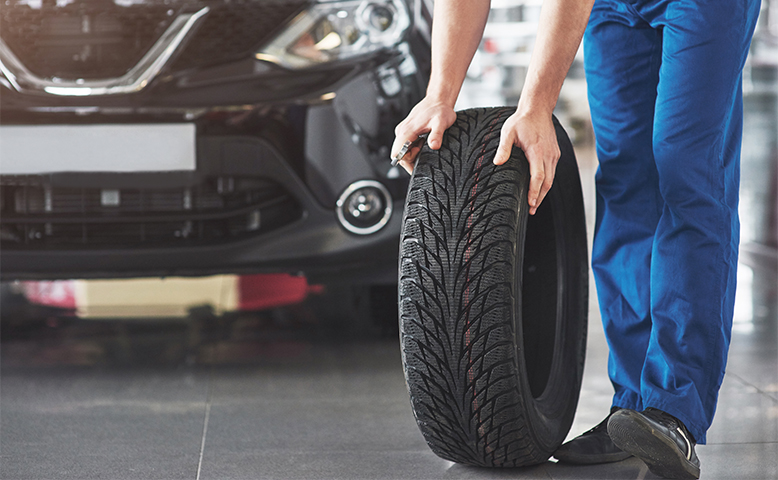
Most drivers notice a small crack, a nail, or a low tire and think it can wait. Tires tie steering, braking, and road grip together, so damage can affect more than air loss. It can change how the car turns, how fast it stops, and how steady it feels.
Problems grow faster at highway speed.
Heat and low pressure cause damage to spread
Handling shifts can be subtle at first
Knowing what to look for helps you act early instead of reacting on the spot. That’s why tire damage deserves quick attention.
Damage Isn’t Only a Flat
Tire damage covers more than a puncture. A tire can look usable and still be unsafe because harm may sit under the surface or in the sidewall.
When cords or steel belts are weakened, strength drops, especially at highway speed and during hard cornering.
Sidewall cuts and splits, even short ones
Bulges that point to a broken internal belt
Cracks from age, sun, or long storage
Tread areas with missing chunks or deep tears
After damage starts, pressure may drop slowly, which makes the tire run hotter and wear faster. Small leaks also hide in the bead area where the tire meets the wheel. If you see anything odd, don’t “test it” at speed—get it checked.
Heat Turns Small Issues Serious
A damaged tire often flexes more than it should. Extra bending creates heat, and heat can turn a minor issue into a sudden failure. Underinflation is a common trigger because the sidewall bends more with each rotation, like a paperclip that keeps being bent.
Long highway drives raise tire heat quickly
Heavy loads increase sidewall stress
Hot weather speeds up rubber breakdown
High speeds shorten the time to overheat
In 2013, 539 people died in passenger-vehicle tire-related crashes, according to an NTSB report. If a tire is losing air or has sidewall damage, driving “just a little longer” can be a risky trade. Even short trips can push a weak tire over the edge.
Wet Roads Expose Worn Tread
Tread grooves push water away so the rubber can touch the road. When tread is low, water stays under the tire, and grip drops fast. Many regions set the legal minimum tread depth at 2/32 inch, or 1.6 mm. Near that limit, wet braking and cornering can change a lot.
Shallow tread raises hydroplaning risk.
Uneven wear can cause slipping in turns
Bald spots lose grip first, not last
Wider puddles can act like a ramp of water
One wet-road example at 50 mph shows good tread stopping around 53 m, while worn tires at the legal limit may need about 65–75 m. That extra space is several car lengths.
Handling Changes You Can Feel
Damaged tires don’t just feel rough; they change how the car reacts in turns and lane changes. A bulge or broken belt can make a tire out of round, leading to wobble and vague steering. If one tire grips less than the others, the car may drift, especially on crowned roads.
Steering may feel light, then suddenly heavy
The car can pull left or right under braking
Quick swerves may feel slow to settle
Vibration can grow as speed rises
These shifts reduce your margin for error. You may also notice the car “hunts” in its lane on grooved pavement. If handling feels new or odd, tires are a smart first check. Watch for new shaking even on smooth roads.
Fuel Use Rises with Drag
Tires affect fuel use because the engine must overcome rolling resistance. When a tire is underinflated or deformed, it “squishes” more and wastes energy as heat. A U.S. Department of Energy test found that with all four tires at 75% of recommended pressure, the fuel economy penalty stays around 2–3% across speeds.
Low pressure increases drag at the contact patch
Damaged areas flex more and waste energy
Uneven wear can act like constant micro-sliding
If a car gets 30 mpg, a 3% drop is about 0.9 mpg. Over 1,000 miles, that can mean roughly one extra gallon. Over a year, it can feel like a quiet subscription you didn’t buy.
Braking Works Harder Than Normal
Brakes are designed to work with tires that can grip. When a tire is damaged, the brake system may still function, yet stopping takes longer because the tire can’t grip the road. ABS may trigger sooner on wet pavement, and the car may feel like it skates before it slows.
Longer stops mean hotter pads and rotors
ABS pulsing can feel more frequent in the rain
An uneven grip can twist the car under hard braking
A flat spot can add a hopping feel
These effects change how stable the car feels in a panic stop. In traffic, even a few meters can decide whether you stop in time or make contact. Tires set the limit of braking, not pedal force.
Stress Spreads Beyond the Tire
A damaged tire often causes vibration, and that shaking does not stay at the wheel. Over time, it can move into suspension joints, wheel bearings, and steering parts. Even small imbalances can speed up wear and raise repair costs. Uneven wear can also hint that the car is out of alignment.
Vibration can wear bushings and joints faster
Uneven wear can strain shocks and struts
A constant pull can point to alignment drift
Cupping wear can sound like a hum
Many drivers blame rough roads for a noisy ride, but tires are a practical first place to look. Fixing the tire early can protect parts that keep the car tracking straight. It can also reduce wear on steering links.
Signs That Mean Stop Driving
Some tire problems are not “drive until the weekend” problems. They are “slow down and check now” problems. If you see any of the signs below, avoid high speeds and get the tire inspected before adding more miles. If you must move the car, keep it slow and avoid highways.
A sidewall bulge, bubble, or lump
Exposed cords, threads, or a deep gash
Pressure loss that returns after refilling
A spare tire that’s old or cracked
Also listen and feel. A steady thump, a new vibration, or a flapping sound can mean internal damage or a separating tread.
Simple Habits That Prevent Trouble
Many tire failures start with skipped checks. Check pressure when tires are cold, and use the door-jamb sticker for the right number, not the tire sidewall. If you use a gauge, you can catch slow leaks early.
Check pressure at least once a month
Measure tread with a gauge, not a guess
Look for cuts after potholes or curb hits
Watch for uneven wear across the tread
Rotation and alignment matter too because even good tires wear out early when angles are off. If your TPMS light turns on, treat it as a warning and find the cause, not just the nearest air pump.
Safer Miles Start with Tires
Driving on damaged tires is risky because the car may feel fine until the grip drops or the tire fails. Less tread and hidden belt damage can raise stopping distance and reduce control, while extra rolling resistance raises fuel use. The fix is often simple: inspect, set the right pressure, and replace tires before they reach the bare limit.
Don’t ignore bulges, cords, or steady air loss
Keep pressure on the door-sticker number
Recheck after big potholes or long trips
Good tires help you brake, steer, and save fuel with less drama. If you want a clear answer on what your tires need, book an inspection and keep your driving predictable and safe with Same Day Auto Repair.